Skip to main contentSkip to footer

Water and Wastewater Courses

Found 15 courses

Defibrillator Training (AED)

Inter Marine compilance: IMV1
Course objective:
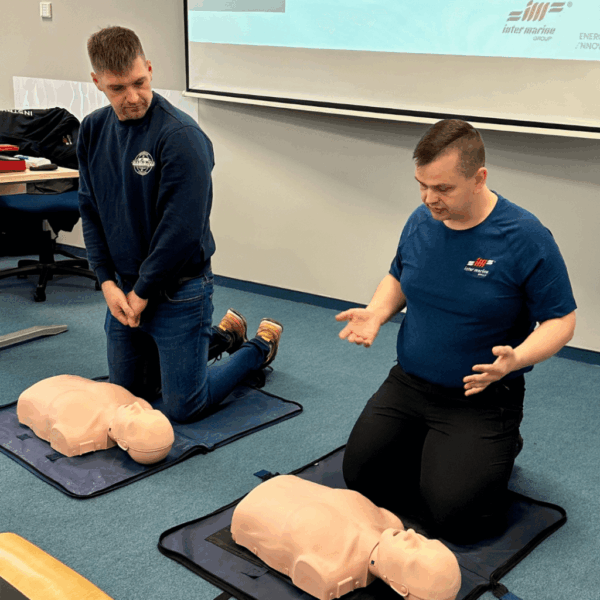
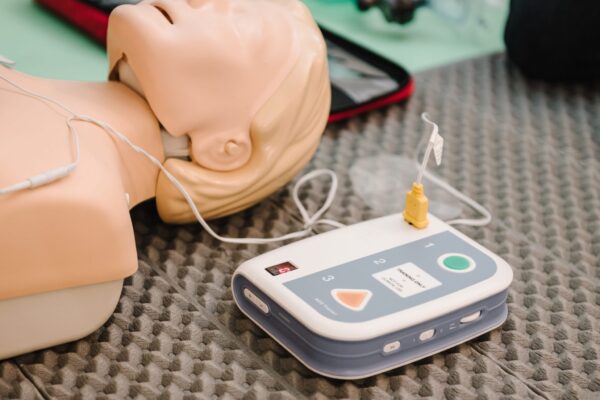
To teach participants how to use an AED safely and confidently in the event of sudden cardiac arrest (SCA). The aim is to reduce the time taken to deliver the first electric shock, which dramatically increases the victim’s chances of survival.

400  netto + 23%VAT

about 93 
See details

Lockout Tagout (LOTO)

Inter Marine compilance: IMV1
Course objective:
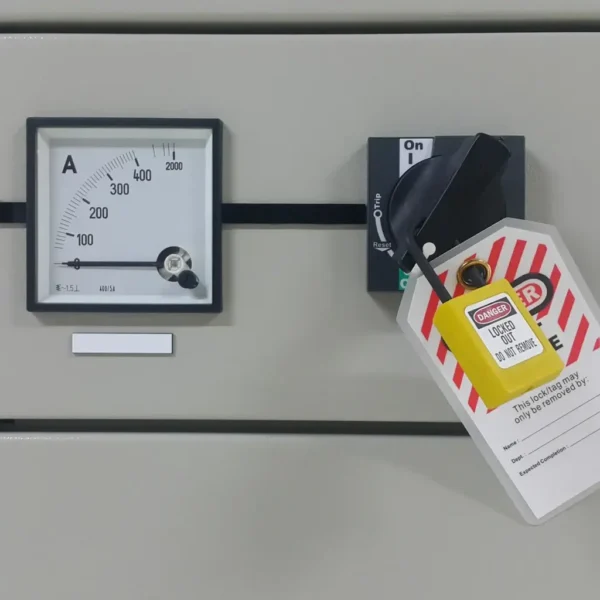
To familiarise participants with the principles of safely isolating machinery and equipment from hazardous energy sources (electrical, mechanical, pneumatic, hydraulic). The main objective is to teach employees how to achieve a ‘zero-energy state’ in order to eliminate the risk of accidental machine start-up during maintenance or repair work.

750  netto + 23%VAT

about 175 
See details

Basic Electrical Engineering Knowledge (BEEK)

Inter Marine compilance: IMV1
Course objective:
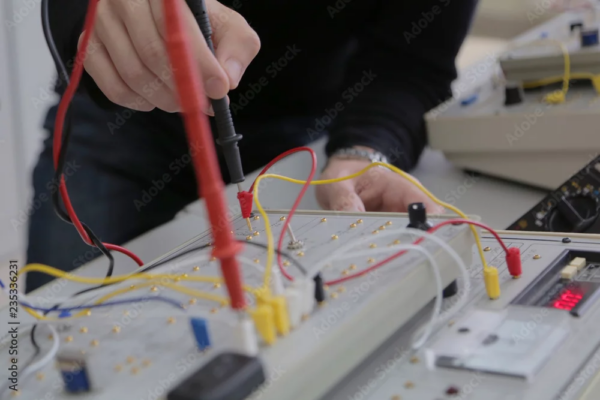
To provide individuals without electrical training with basic theoretical and practical knowledge of electrical engineering. The course aims to prepare participants to move safely within the environment of wind turbine electrical installations and to understand the basic physical phenomena occurring in circuits.
Ask for the price
See details

GWO Basic Safety Training – Working at Height (WAH)

GWO compilance: V20
Course objective:
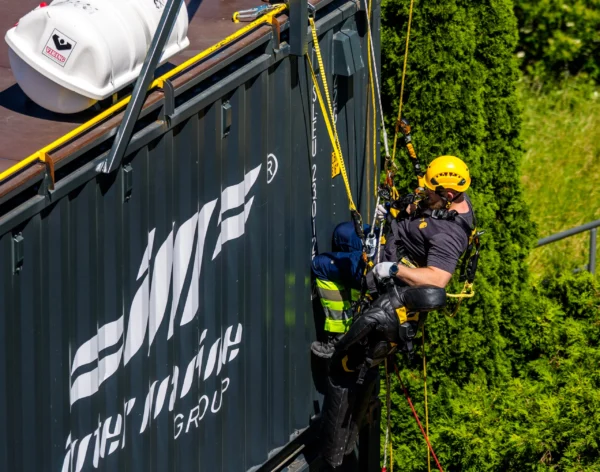
To teach participants how to move and work safely at height in a wind turbine environment. The course aims to instil good practices regarding the correct use of personal protective equipment (PPE) and the efficient conduct of evacuation and rescue operations in life-safeing situations.

2 150  netto + 23%VAT

about 501 
See details

GWO Basic Safety Training – First Aid (FA)

GWO compilance: V20
Course objective:
To prepare participants to provide safe and effective first aid in the specific environment of the wind industry. The course teaches how to save lives and minimise the effects of injuries in locations remote from emergency services, e.g. inside a turbine or on a wind farm.

950  netto + 23%VAT

about 221 
See details

GWO Basic Safety Training – Manual Handling (MH)

GWO compilance: V20
Course objective:
To teach participants the correct techniques for lifting and carrying loads in order to minimise the risk of musculoskeletal injuries. The course aims to promote safe behaviour during manual handling tasks in the specific, often confined spaces of wind turbines.

500  netto + 23%VAT

about 117 
See details

GWO Basic Technical Training – Mechanical (BTT M)

GWO compilance: V11
Course objective:
To equip participants with the basic mechanical knowledge and skills necessary for work on wind turbines. The course aims to teach participants how to safely perform basic mechanical tasks under the supervision of an experienced technician.

2 050  netto + 23%VAT

about 478 
See details

GWO Basic Technical Training – Electrical (BTT E)

GWO compilance: V11
Course objective:
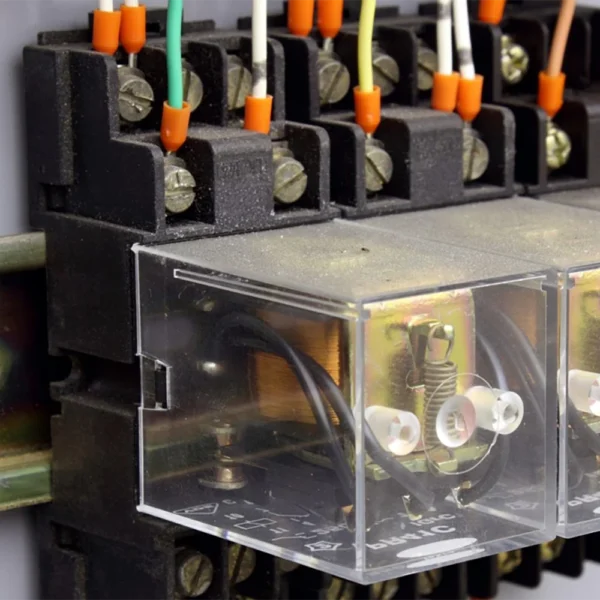
To teach participants the basic electrical skills necessary to work safely in a wind turbine environment. The course aims to prepare technicians to carry out simple electrical tasks, such as measurements and diagnostics of components, under the supervision of qualified personnel.

1 600  netto + 23%VAT

about 373 
See details

GWO Basic Technical Training – Hydraulic (BTT H)

GWO compilance: V11
Course objective:
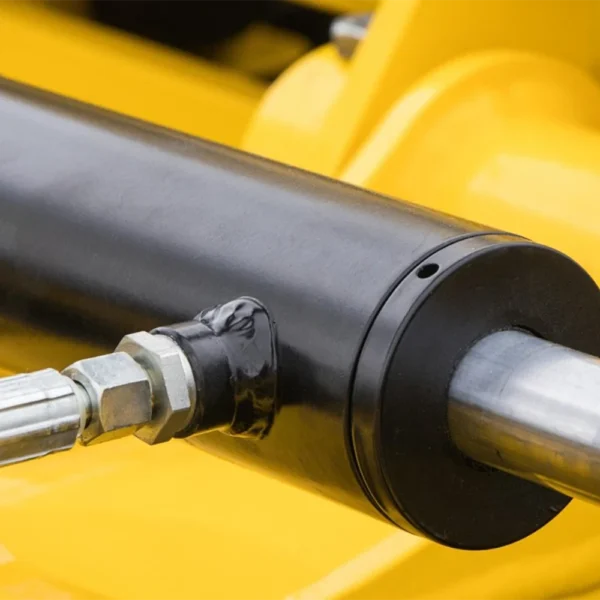
To equip participants with basic knowledge of hydraulic systems used in wind turbines (e.g. in braking systems or pitch systems). The course aims to teach the safe handling of high-pressure components and the performance of basic maintenance and installation tasks.

1 550  netto + 23%VAT

about 361 
See details

GWO Basic Technical Training – Bolt Tightening (BTT B)

GWO compilance: V11
Course objective:
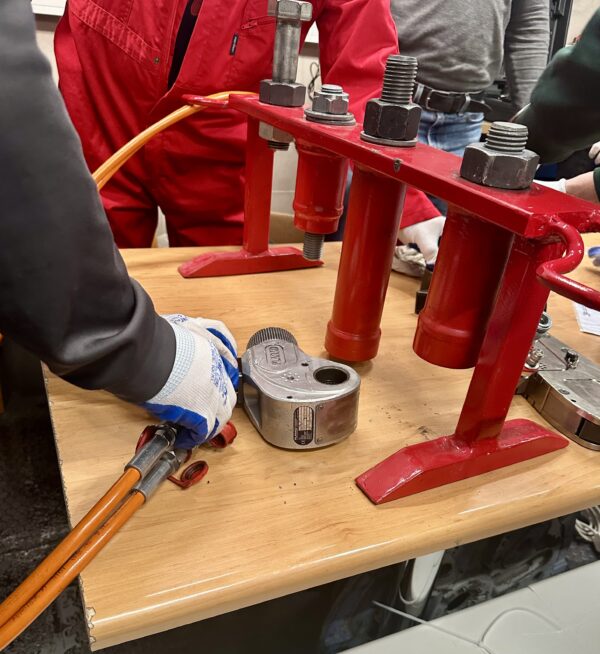
To teach participants how to safely and correctly tighten and loosen bolted connections used in wind turbine structures. The course aims to standardise working practices using advanced hand and power tools to ensure the structural integrity of the tower and nacelle.

2 000  netto + 23%VAT

about 466 
See details

Confined Space Entry (CSE)

Inter Marine compilance: IMV1
Course objective:
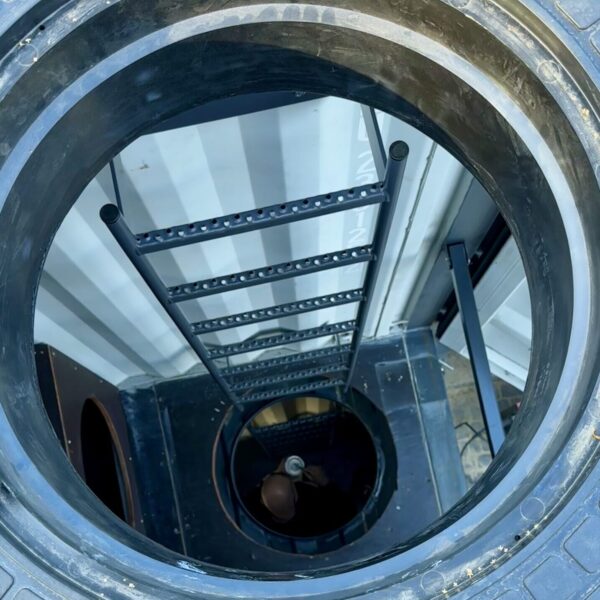
To acquire the knowledge and practical skills necessary for safe entry, work and evacuation from confined spaces. The course teaches how to identify hazards (e.g. lack of oxygen, presence of toxic gases) and how to respond correctly in emergency situations in areas with restricted access.

850  netto + 23%VAT

about 198 
See details

GWO High Voltage Cable Pulling (HV CP)

GWO compilance: V1
Course objective:
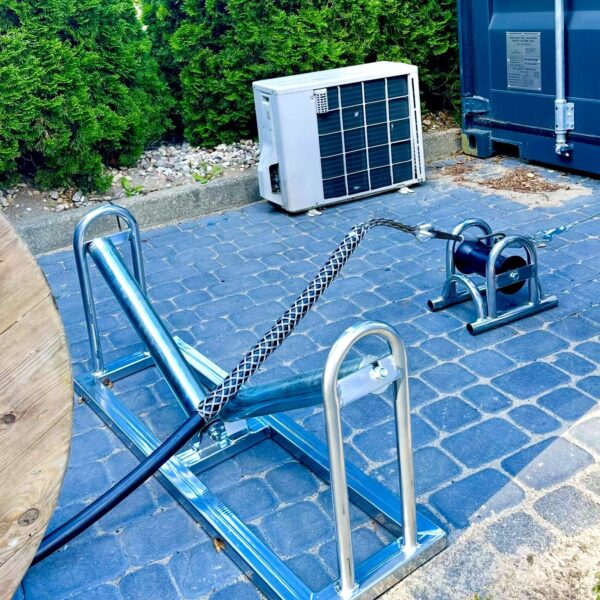
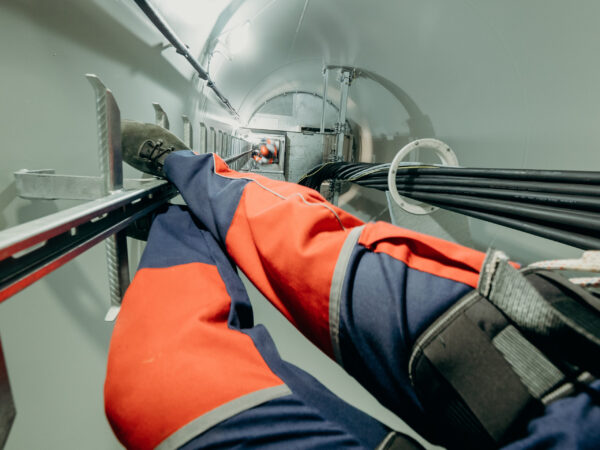
To acquire the skills to safely and technically correctly pull and lay high-voltage (HV) cables inside wind turbines and in cable trays. The course emphasises the elimination of the risk of personal injury to workers and the prevention of damage to expensive equipment and cable infrastructure.

2 500  netto + 23%VAT

about 583 
See details

Confined Space Rescue (CSR)

Inter Marine compilance: IMV1
Course objective:
To prepare participants to act as a member or leader of a rescue team in confined spaces. The course teaches how to plan and carry out complex rescue operations, stabilise the casualty inside tanks/shafts, and manage rescue equipment in critical situations.

1 000  netto + 23%VAT

about 233 
See details

Confined Space Entry Medium Risk (CSE MR)

Inter Marine compilance: IMV1
Course objective:
The main aim of the training is to prepare participants to safely plan and carry out work in confined spaces classified as medium-risk areas. The course teaches how to identify hazards, apply appropriate protective measures and respond effectively in emergency situations.

1 500  netto + 23%VAT

about 350 
See details

Confined Space Entry and Rescue Advanced (CSER Advanced)

Inter Marine compilance: IMV1
Course objective:
To prepare personnel to act as rescue team leaders and carry out complex rescue operations in high-risk confined spaces. The course focuses on victim extraction techniques, advanced rope systems and managing the rescue operation until the arrival of the emergency services.

3 700  netto + 23%VAT

about 862 
See details

Why do companies and course participants choose IM Training?

Average rating
4.97
Katarzyna
Crew Manager

Employees return ready to work

The training is practical and delivered in conditions similar to real workplace situations. Our employees return with the required certificates, but above all with knowledge and skills they can use at work.

Jacek
Course participant

I am very satisfied

I took two GWO courses and I am very satisfied. There was plenty of hands-on practice and realistic simulations, and the instructors explained everything clearly and patiently.

Piotr
Operations Director

End-to-end support

IM Training efficiently organised training for our international team, including the logistics, language and formal requirements. Thanks to the effective coordination, we could focus on the project without involving our own team in organising the trip.

Asia
Course participant

Highly competent instructors

The practical sessions after the theory are eye-opening. The instructors are highly competent and the course was delivered thoroughly.

Mateusz
Offshore Project Manager

Fast scheduling and flexibility

The training dates were aligned with our team mobilisation schedule. The quick response, flexible approach and option to train a larger group on the same date made it significantly easier to prepare our employees for the project.

Mikołaj
Course participant

Very good facilities and workstation preparation

A repair techniques course. Very good facilities and workstation preparation, efficient organisation and a high standard of practical training.

Paweł
Course participant

The training material was thoroughly covered.

Very good training delivered by competent instructors. The sessions were engaging, the time passed very quickly and there was plenty of hands-on practice. The training material was thoroughly covered.

Monika
Course participant

Modern equipment, no nonsense

The working at heights course is mainly practical: equipment, fall protection and emergency scenarios. Everything was well organised, the instructors were direct and clear, and the equipment was modern. No nonsense.